
Free shipping is the most requested incentive in ecommerce, and the most quietly mismanaged. Treated as a flat cost, it bleeds margin. Treated as a lever, it becomes one of the most reliable ways to lift average order value on Shopify.
Quick answer: Set your free shipping threshold about 15 to 25 percent above your current average order value, show a live progress bar so shoppers can see how close they are, and protect margin by capping the subsidy and excluding already-discounted orders. Measure average order value, attach rate, and margin per order, and revisit the number every quarter.
Free shipping is a promotion, not a cost center
Survey after survey puts free shipping at the top of what makes shoppers complete a purchase, and unexpected shipping cost at the top of why they abandon carts. That tells you two things at once: free shipping moves conversion, and the way you present it matters as much as whether you offer it.
The mistake most stores make is booking free shipping as a fixed line in the P&L, a cost they absorb on every order. The better model is to treat it as a conditional promotion you tune: a threshold the shopper unlocks by adding more to the cart. Done well, the extra margin from a larger order more than pays for the shipping you cover.
How to set the right threshold
The single most important number is your current average order value (AOV). The ideal free shipping threshold sits just above it, usually 15 to 25 percent higher. High enough that the shopper has to add something to qualify, low enough that the goal still feels reachable.
A worked example. If your AOV is $60, a threshold around $70 to $75 asks most shoppers to add one more item. Set it at $50 and you give away shipping on orders that already cleared the bar. Set it at $120 and most carts never get close, so the offer does nothing except train shoppers to wait for a better deal.
AOV-to-threshold reference
Use your own AOV as the anchor and start near the middle of the range, then adjust with your order distribution.
| Current AOV | Conservative (15%) | Recommended (20%) | Aggressive (25%) |
|---|---|---|---|
| $40 | $46 | $48 | $50 |
| $60 | $69 | $72 | $75 |
| $80 | $92 | $96 | $100 |
| $100 | $115 | $120 | $125 |
| $150 | $173 | $180 | $188 |
For a sharper number, look at the distribution, not just the average. If a lot of orders cluster between $55 and $65, a $69 threshold captures that cluster perfectly. Re-check it every quarter, because as AOV drifts the right threshold drifts with it.
Protect the margin while you do it
A threshold lifts AOV, but free shipping still costs real money, and on heavy or remote orders it can cost more than the margin on the extra item. Three guardrails keep it profitable:
- Cap what you subsidize. Cover up to a set shipping amount and let the customer pay anything above it, so a heavy or far-flung order cannot run away from you.
- Exclude already-discounted orders. Stacking free shipping on top of a coupon compounds the giveaway. Decide whether the two can combine, and usually they should not.
- Mind the floor. If a deep discount plus free shipping pushes an order below your acceptable margin, the campaign is costing you money even as the dashboard shows more revenue. Watch margin per order, not just order count.
The one formula to check first
Before you launch, confirm the extra margin covers the shipping you give away:
Added margin per qualifying order = (extra units added to reach the threshold) x (margin per unit) - (shipping cost you subsidize)
If that number is positive across a typical basket, the threshold pays for itself. If it is negative, raise the threshold, cap the subsidy, or tighten which orders qualify.
Show the progress
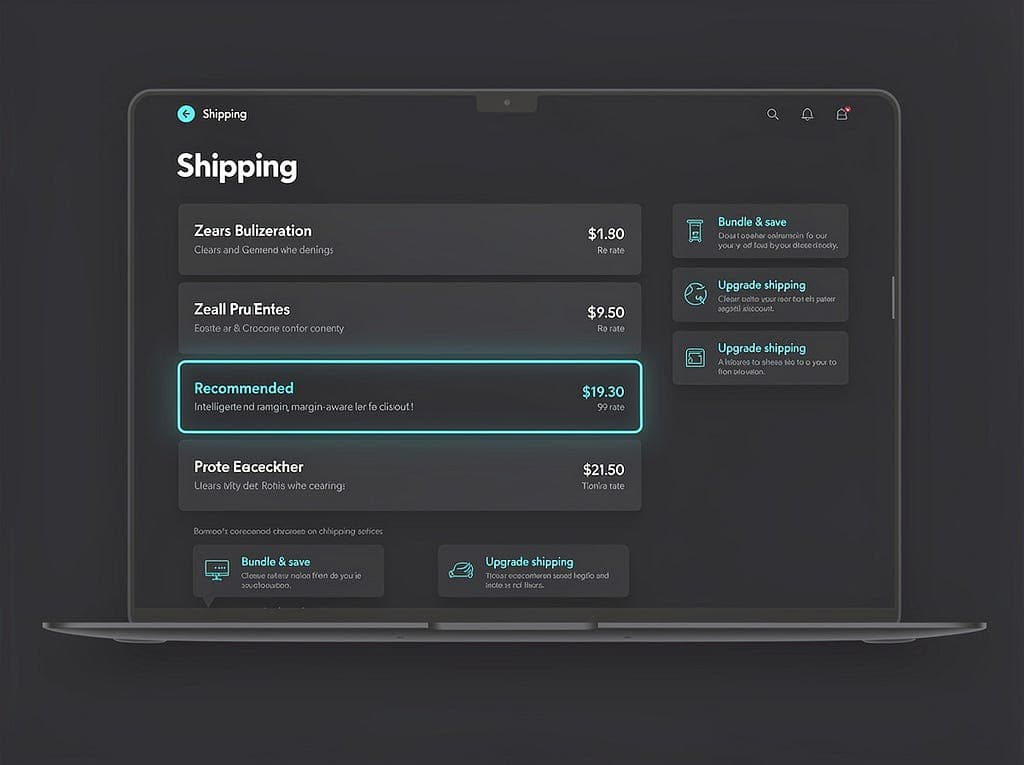
A threshold the shopper cannot see does almost nothing. The lift comes from a visible, live goal. A progress bar that reads "You are $12 away from free shipping" reliably increases units per order, because it turns an abstract rule into a concrete, almost game-like target.
Two placements matter and behave differently. In the cart, the bar is a gentle nudge that updates as items go in. On the product page, it can prompt the add in the first place. Keep the message to one clear line, and once the shopper crosses the threshold, switch the bar to a confident "You unlocked free shipping" rather than leaving a half-finished meter on screen. For a deeper look at why a single, focused bar converts better than several competing ones, see our piece on the psychology of the discount progress bar.
Set it up in Shopify
The mechanics are straightforward once the strategy is set:
- Find your true AOV. In Shopify admin, open Analytics and read average order value over the last 90 days, not just last week.
- Pick the threshold from the table above, starting near the 20 percent mark.
- Decide the qualifying rules. Which markets, which customers, and whether discounted carts are excluded.
- Turn on a cart progress bar so the remaining amount is always visible.
- Cap the subsidized shipping amount to protect heavy and remote orders.
- Watch it for two weeks, then adjust up or down based on margin per order.
Segment the offer
Free shipping does not have to be one rule for everyone. Thresholds can vary by market, because shipping costs and competitor norms differ by country. They can vary by customer, so a first-time buyer sees a sharper incentive than a loyal repeat customer who already converts. And they can be scoped to a collection, so the offer pushes the categories where the extra unit actually carries margin.
The mistakes that quietly cost you
- Setting the threshold below your AOV, so you fund shipping on orders you would have won anyway.
- Setting it so high it feels unreachable, which kills the nudge and can increase abandonment.
- Hiding the offer in a banner instead of showing live progress in the cart.
- Forgetting to exclude discounted orders, so promotions stack into a loss.
- Setting it once and never revisiting it as AOV and shipping costs move.
Measure what matters
Judge a free shipping threshold by three numbers, not by how popular it feels. Average order value tells you whether the nudge is working. Attach rate, the share of orders that added an item to qualify, tells you how strong the pull is. And margin per order tells you whether the lift is profitable after the shipping you covered. If AOV rises but margin per order falls, the threshold is too generous and needs to move up. This is the same profit-first discipline we cover in why GMV is a vanity metric.
Frequently asked questions
What is the best free shipping threshold for a Shopify store? Set it just above your current average order value, usually 15 to 25 percent higher, so most shoppers have to add one item to qualify but the goal still feels reachable. Recheck it each quarter as your AOV moves.
Does free shipping actually increase average order value? Yes, when it is conditional and visible. A threshold with a live progress bar that shows how far the shopper is from free shipping reliably raises units per order by turning the rule into a concrete goal.
How do I offer free shipping without losing money? Cap the shipping amount you subsidize, exclude already-discounted orders, and watch margin per order rather than order count. If a discount plus free shipping pushes an order below your acceptable margin, raise the threshold or tighten the rules.
Should free shipping stack with other discounts? Usually not. Stacking free shipping on top of a coupon compounds the giveaway. Exclude already-discounted orders unless you have deliberately modeled the combined margin.
Bringing it together
A free shipping threshold is at its best when it is not alone. Pair it with volume or tiered pricing and you give the shopper two reasons to add more to the cart: a better unit price and free delivery. Add margin-aware rules underneath, and the whole thing stays profitable while it grows order value. That combination, a visible goal on top and margin protection underneath, is the difference between free shipping as a cost you dread and free shipping as a lever you pull on purpose.
Discount Prime runs margin-safe free shipping thresholds, progress bars, and volume pricing natively inside Shopify.
Sources
Related on Discount Prime: Free shipping · Volume discounts · Profit analytics