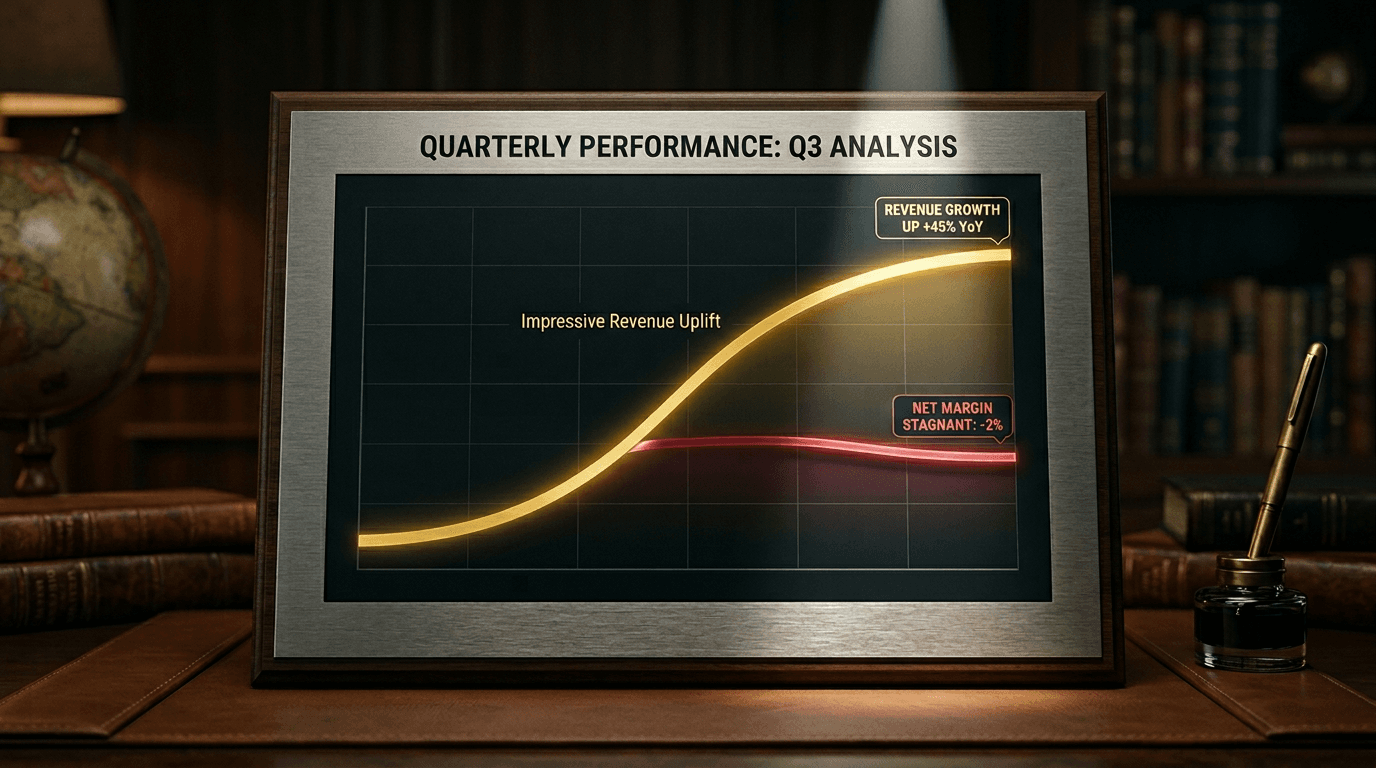
The most expensive line item of Black Friday is not the discount you give to close a sale. It is the discount you give to a customer who was going to buy anyway.
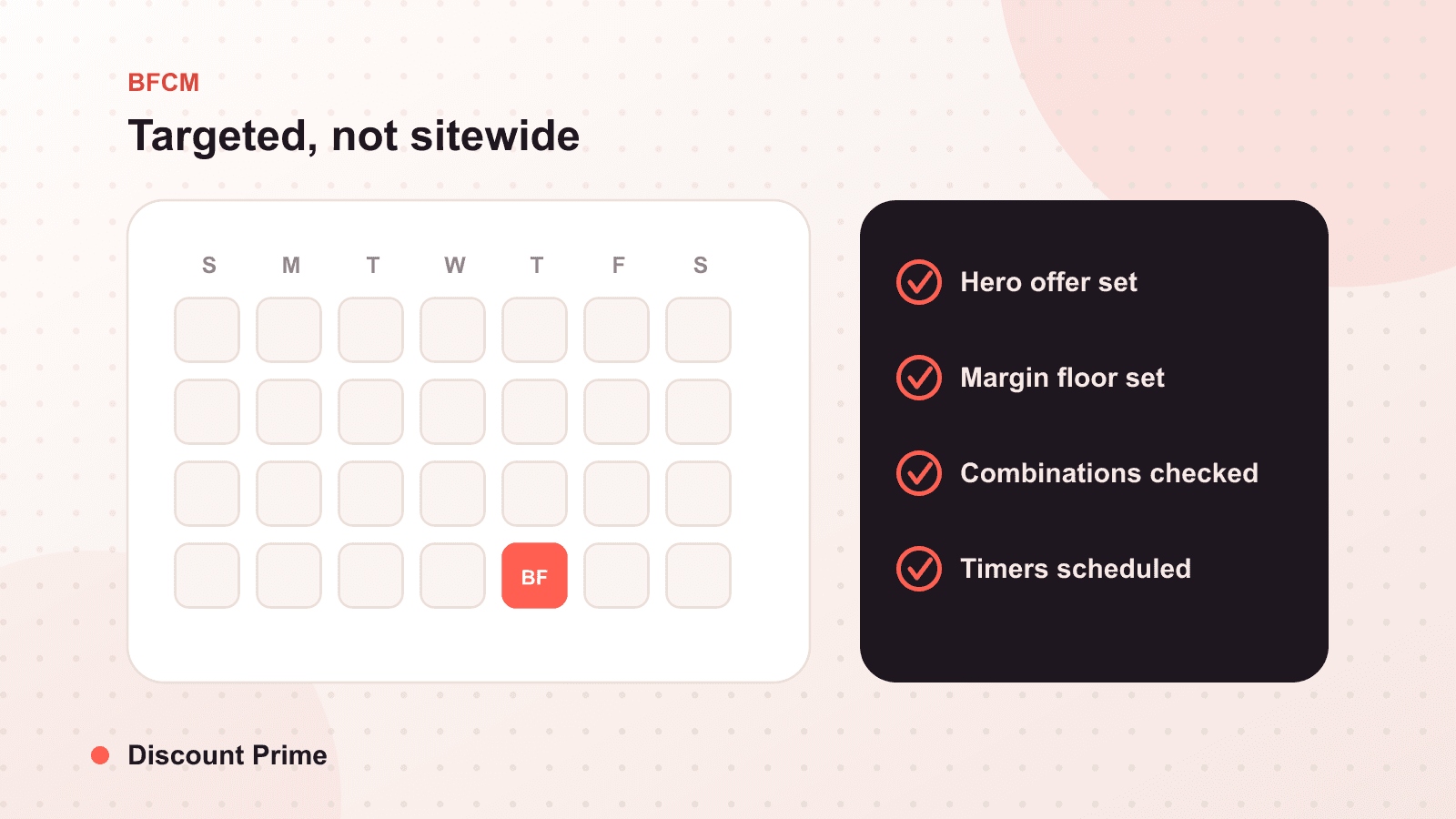
For BFCM 2025 we think the smart move is targeted, not sitewide. A flat sitewide percentage is the easiest offer to advertise and the most expensive one to run, because it pays the same rate to the customer you had to win and the customer who already had a card out. On a weekend that moved $11.5 billion in merchant sales across Shopify last year, that gap between "discount that changed a decision" and "discount that changed nothing" is where a store's whole margin can quietly go.
This is not an argument against discounting hard. It is an argument for spending the discount where it does work.
The problem with a flat number
A sitewide 25% treats every order as identical. But your orders are not identical. Some customers were already going to convert at full price. Some were price sensitive and needed the nudge. Some were buying one thin-margin item, some a basket of healthy ones. The flat rate ignores all of that and pays out the same.
Economists have a name for the discount you give a customer who would have bought anyway: deadweight. On a normal Tuesday the deadweight cost of a sale is small because traffic is small. On BFCM, when your highest-intent buyers of the year show up, the deadweight cost is at its structural maximum. The one weekend you most want to protect margin is the one weekend a flat discount hurts it most.
What "targeted" actually means
Targeting is not complexity for its own sake. It is varying discount depth along the three axes that predict whether the discount changed anything.
By who is buying. Your VIP and returning customers were coming regardless, so a first-time or lapsed-customer offer spends the discount on demand you did not already own. Your wholesale buyers need their own logic entirely, not the retail sitewide rate. Segment pricing through customer tags and B2B rules lets the same store show a wholesale buyer, a VIP, and a cold visitor three appropriate prices without three storefronts.
By what they are buying. A flat rate on a 60% margin candle and a flat rate on a 22% margin electronic accessory are two completely different decisions wearing the same number. Reduce or remove depth on thin-margin products and spend it where you can afford to.
By how much. A volume discount that deepens as the cart grows spends the discount only when the order gets bigger. The customer buying one unit at full margin and the customer you talked into three both pay a rate that fits what they did.
A worked comparison
Take a store doing a hypothetical 1,000 BFCM orders at a $60 average order value, with a blended 45% gross margin before discounting.
| Approach | Discount logic | Effect on the weekend |
|---|---|---|
| Sitewide 25% | Every order loses 25% of revenue, thin-margin items included | Simplest to run, deepest margin erosion, subsidizes full-price buyers |
| Targeted | 10% floor sitewide, deeper volume tiers on healthy-margin lines, no discount on thin-margin SKUs, segment offer for lapsed customers | Advertised offer stays competitive, discount concentrates where it moves behavior |
The targeted store can still headline a strong number. What it stops doing is paying that number to the orders that never needed it. The advertised offer is a door. It does not have to be the rate every single cart receives.
Targeting without a spreadsheet nightmare
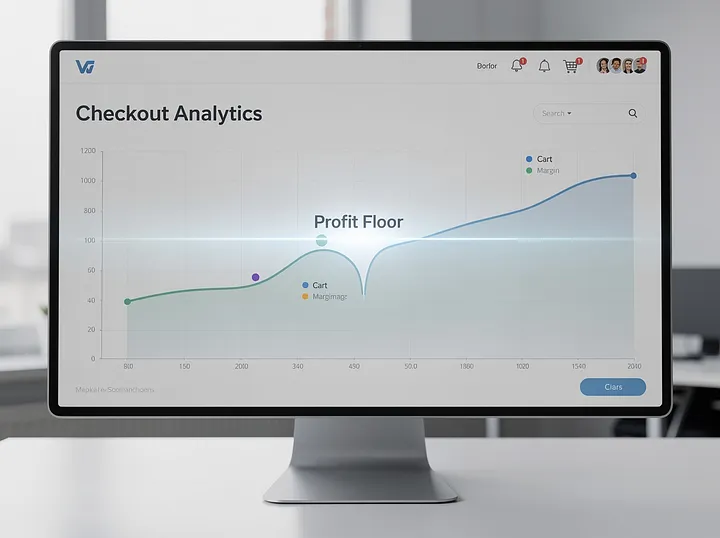
The objection to targeting is always operational: it sounds like ten campaigns instead of one. It does not have to be. The three axes above are rules, not individual promotions. One segment rule, one product-margin carve-out, and one volume tier cover most of the weekend. Then set a profit floor underneath all of it so that no combination of your targeted rules, however unusual the cart, can push an order below your margin line. The floor is what lets you be aggressive on the headline without watching every edge case by hand.
Before the weekend, run your targeted rules against last year's orders to see the real blended discount they produce. Targeting can surprise you in both directions, and you want that surprise in October, not on Black Friday.
The bet for this season
Sitewide made sense when discovery was scarce and the discount itself was the marketing. Discovery is not scarce anymore. For BFCM 2025 the edge is not a bigger flat number, it is a smarter distribution of the same discount budget: deep where it changes a decision, shallow where it does not, and floored everywhere so the edges cannot hurt you.
For last year's version of this thinking, our BFCM 2024 playbook argued deep or wide but not both, and this is the natural next turn of that idea. If you are running any sitewide component at all, pair this with our guide to protecting margin during sitewide sales so the flat portion has guardrails too.